Jordan Fischer · 23 October 2026
Bryophyte Specimens Signal Atmospheric Alterations in Safeguarded Forest Zones
Researchers have turned to bryophytes in protected forest reserves as reliable recorders of atmospheric conditions, and these small plants accumulate data on shifts in gases, pollutants, and moisture levels over time. Samples taken from various sites reveal patterns that align with broader environmental monitoring efforts, while studies continue to map how these organisms respond to changes in carbon dioxide concentrations and nitrogen deposition.
Role of Bryophytes in Environmental Monitoring
Bryophytes absorb substances directly from the air and rain because they lack complex root systems, and this trait allows them to store chemical signatures from surrounding conditions. Data from multiple reserves show elevated levels of certain isotopes in moss tissues that correspond to increased atmospheric carbon since the mid-20th century, according to measurements compiled by the Environmental Protection Agency. Observers note that species such as those in the genera Sphagnum and Polytrichum retain these markers for years, which creates a timeline of atmospheric composition without the need for continuous instrumentation.
Protected areas limit human interference, so bryophyte populations there provide clearer records compared to urban or agricultural zones. In October 2026 teams revisited long-term plots in several reserves and collected fresh specimens that confirmed ongoing trends in sulfur and heavy metal accumulation, while earlier cores from the same locations offered baseline comparisons spanning two decades.
Sampling Methods and Data Collection
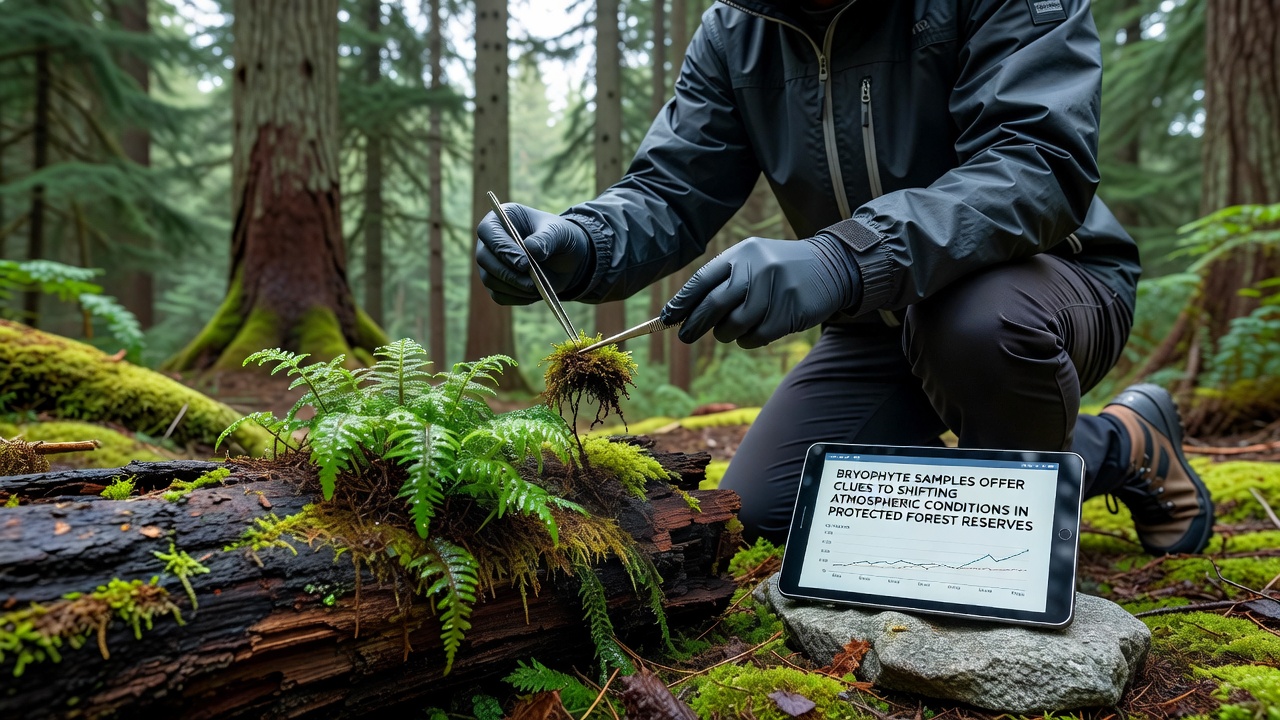
Field crews use standardized protocols to gather bryophyte material from tree bark, rocks, and soil surfaces, and they label each sample with precise location coordinates, elevation, and exposure details. Laboratory analysis then measures stable isotopes of carbon and nitrogen along with trace elements, which produces quantitative indicators of past atmospheric loads. Equipment such as mass spectrometers processes hundreds of specimens per season, and results feed into databases maintained by research institutions across North America and Europe.
One project coordinated by Canadian forest services integrated bryophyte data with satellite readings of canopy density, and the combined dataset strengthened correlations between plant chemistry and regional air quality indices. Another effort at an Australian university examined how bryophyte growth rates vary with changing precipitation chemistry, while similar work in Scandinavian reserves tracked ozone-related stress markers in moss tissues.
Key Findings from Recent Collections
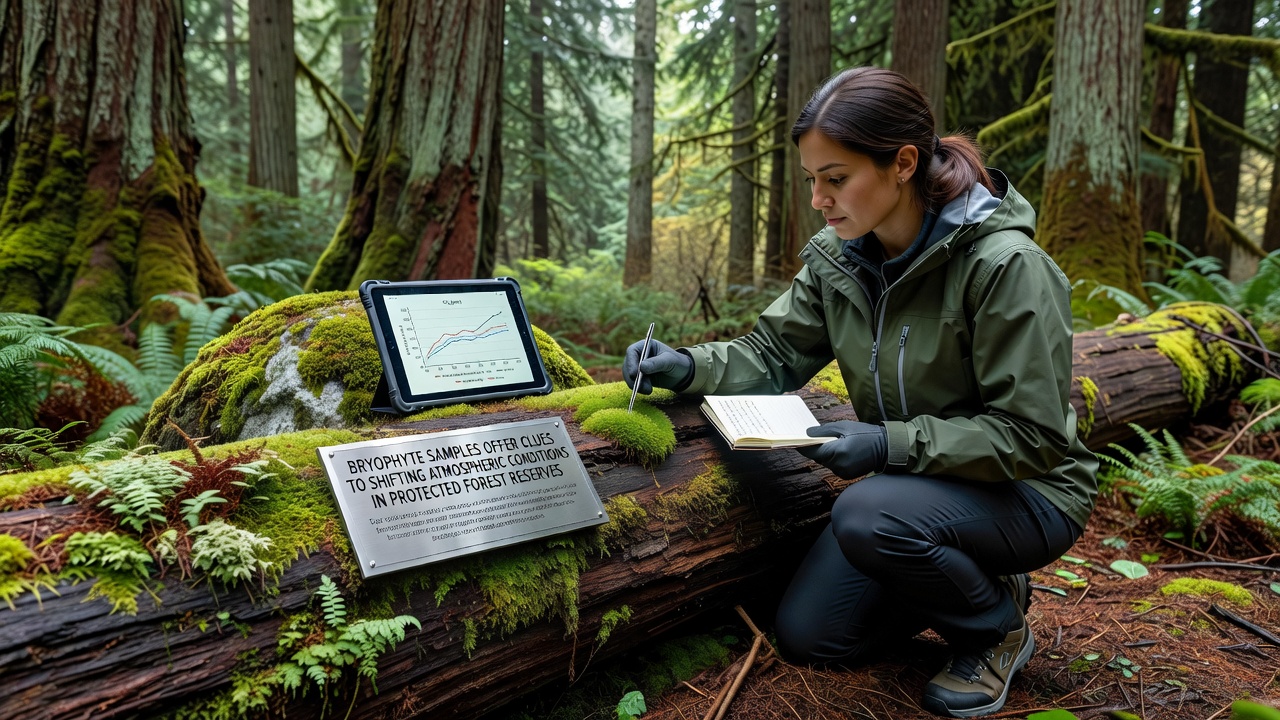
Analyses completed after the October 2026 collections indicated a measurable rise in nitrogen content within certain moss species, and this increase tracks documented growth in regional ammonia emissions from agricultural sources. Researchers also identified subtle shifts in carbon isotope ratios that match independent atmospheric records from the National Oceanic and Atmospheric Administration. These patterns appear consistently across reserves separated by hundreds of kilometers, which suggests the signals reflect large-scale atmospheric movement rather than local anomalies.
Additional data revealed declines in sulfur concentrations that align with reduced industrial emissions following regulatory changes in the early 2000s. Yet some sites still show legacy deposits of older pollutants trapped deeper in moss cushions, and this layering provides a vertical record of atmospheric history. Teams have begun cross-referencing these biological archives with weather station logs to refine models of how temperature and humidity influence pollutant retention in bryophyte tissues.
Integration with Broader Research Networks
Protected forest reserves participate in international monitoring programs that share bryophyte datasets, and this collaboration improves the resolution of global atmospheric models. Universities in the European Union have contributed protocols for non-destructive sampling that allow repeated measurements at the same locations without damaging populations. Such approaches support long-term studies that span multiple decades and multiple jurisdictions.
Figures from the United Nations Environment Programme indicate that bryophyte-based monitoring covers an expanding network of sites, and the method proves cost-effective for remote areas where automated sensors remain impractical. Data sharing agreements now include standardized metadata formats, which speeds up comparative analyses across continents.
Conclusion
Bryophyte specimens continue to supply detailed evidence of atmospheric conditions in protected forest reserves, and ongoing collections in 2026 and beyond will extend these records further. The approach complements instrument-based monitoring while adding biological context to chemical measurements. As reserves maintain their protected status, the value of these natural archives grows with each additional sample set, and researchers expect the method to remain central to tracking atmospheric dynamics for years ahead.